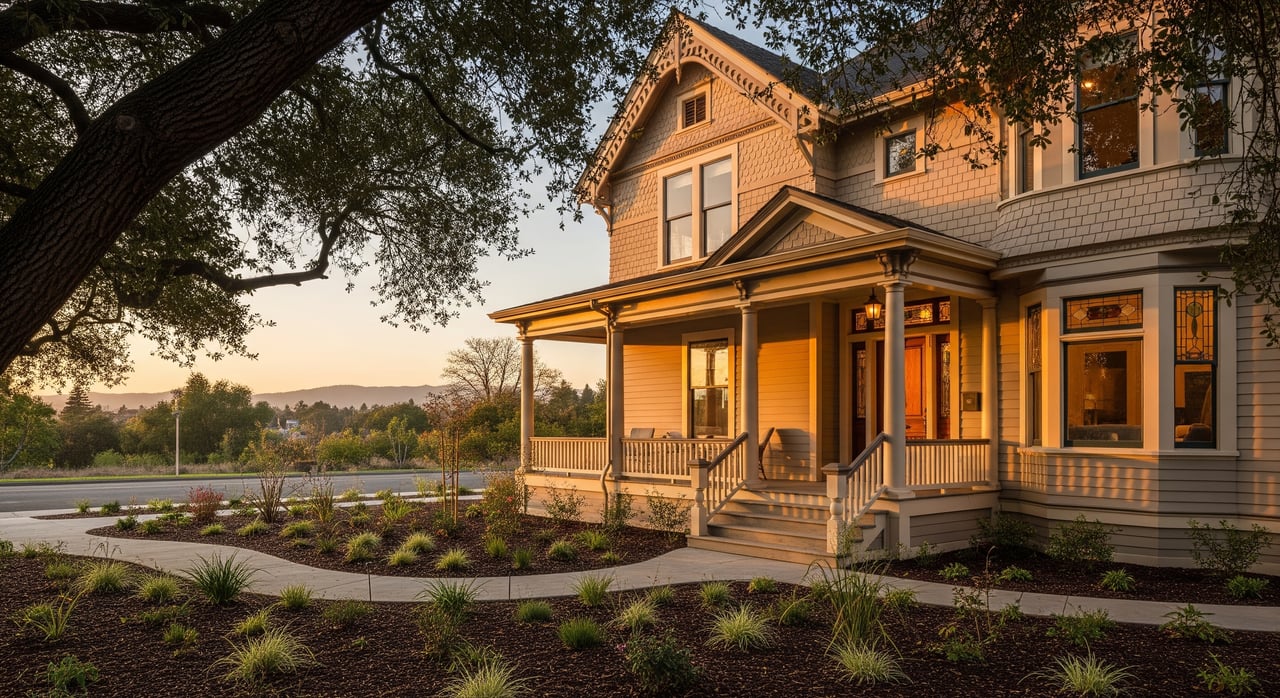
Living in Santa Rosa Historic Neighborhoods
February 5, 2026
February 5, 2026
If you love tree-lined streets, front porches, and the ease of walking to coffee and dinner, Santa Rosa’s historic neighborhoods may be exactly what you’re looking for. These areas blend architectural character with a downtown lifestyle that feels connected and convenient. If you’re curious about daily life, the types of homes you’ll find, and what to know before you buy, you’re in the right place. In this guide, you’ll learn about local architecture, walkability, parks, transit, and the practical steps that help you purchase confidently. Let’s dive in.
Santa Rosa is the largest city in Sonoma County, and its historic core reflects a late-19th and early-20th-century boom tied to rail, agriculture, and commerce. That history shaped compact, pedestrian-friendly blocks and a downtown that still anchors local life.
Railroad Square is a well-known pocket with late-1800s and early-1900s brick and wood buildings. Today it’s a lively hub with shops, restaurants, and galleries. It is widely described as one of the city’s most walkable, character-rich areas.
The 2017 Northern California wildfires touched parts of Santa Rosa and led to rebuilding, updated codes, and a sharper focus on fire risk and insurance. Many buyers now ask smart questions about resilience alongside lifestyle and design.
You’ll see a range of styles across Santa Rosa’s historic areas:
Lots are typically modest to medium in size. Front yards tend to be smaller, which helps walkability and the connected neighborhood feel. Expect mature street trees, older sidewalks, and in some spots historic-style lighting. If you want a very large yard or a multi-car garage, you may need to weigh trade-offs.
If you want to leave the car parked, living near Railroad Square and the downtown corridor can make daily errands simple. You’re close to cafes, bakeries, small markets, and dining. The city’s central plaza and courthouse square area host community events and a farmers market, which adds to the weekly rhythm.
Some historic streets are purely residential and quieter. You can still reach downtown conveniences by bike or a short drive. Either way, daily life often includes short walks, evening strolls, and a sense of connection to local businesses.
You can enjoy a wide range of outdoor options within a short drive or bike ride:
Proximity varies by street, but many historic districts are close enough for frequent quick visits after work and longer weekend outings.
Downtown and Railroad Square are well-suited to walking and bicycling, and local bus lines serve the area. Sonoma–Marin Area Rail Transit (SMART) provides commuter rail service within Sonoma County. Always check current routes and stations as service evolves.
If you drive, major roadways include US-101 and CA-12/CA-116. Commute times can vary a lot by time of day and destination. Many residents balance weekday convenience downtown with regional trips to Sonoma County wine country, coastal areas, or nearby employment centers.
Historic homes offer character, but they also require careful evaluation. Build these items into your due diligence:
Parking and storage deserve attention too. Many homes predate the two-car garage norm. You may rely on street parking or smaller detached garages, which can influence daily convenience and renovation plans.
Santa Rosa maintains local historic resources and formal review processes for designated properties. If a home falls within a historic district or carries a historic designation, exterior changes such as additions, window replacements, or demolitions typically require review. This can shape your timeline and material choices.
A practical first step is to confirm a property’s status and contact city planning or historic preservation staff early in your process. Ask about district maps, design guidelines, and typical approval timelines so you can plan your budget and schedule.
You may also hear about the Mills Act. This state-enabled program can offer property tax relief in exchange for preserving and maintaining a historic property. Availability and eligibility are decided locally, so you’ll want to verify whether Santa Rosa participates and what rules apply before you count on any tax benefits.
Here’s a simple approach:
Earthquake readiness is important in older homes. Many benefit from foundation bolting, cripple-wall bracing, and other targeted retrofits. Lenders or insurers may ask for certain upgrades depending on the home’s risk profile.
Wildfire risk is another key topic. After the 2017 fires, Santa Rosa and Sonoma County updated building standards and defensible-space guidance. If a property is in a higher-risk zone, you may face increased insurance costs, special underwriting, and requirements for vegetation management.
Recommended steps:
These areas tend to attract people who value walkability, unique architecture, and quick access to dining and cultural events. Professionals and downsizers often appreciate compact lots and easy connections to services.
If you want brand-new construction, very low maintenance, a large yard, or a multi-car garage, you may prefer newer subdivisions. Every buyer balances lifestyle, budget, and risk differently. The key is to match your daily routine to the right street and home.
Buying in a historic neighborhood takes local knowledge, calm guidance, and careful planning. You deserve an advisor who helps you understand the property’s story and the practical details that affect value and comfort.
I bring a hands-on, service-first approach that includes detailed walkthroughs, clear inspection strategies, and introductions to trusted local vendors. You’ll get step-by-step support on historic-district rules, renovation timelines, insurance considerations, and negotiation strategies that reflect current market conditions.
If you’re ready to explore Santa Rosa’s historic neighborhoods, let’s talk about your goals and plan your next steps. Connect with Brianna Benz to schedule a free consultation.
Get assistance in determining current property value, crafting a competitive offer, writing and negotiating a contract, and much more. Contact Brianna today to discuss all your real estate needs!