Getting your Petaluma home ready to sell can feel overwhelming. You want top dollar without wasting time or money, and you know buyers are quick to judge based on photos and first impressions. The good news: a focused, room-by-room plan helps you tackle the right tasks in the right order so you attract more showings and stronger offers.
Below you’ll find a practical checklist built for Petaluma sellers planning to list in the next 3 to 12 months. You’ll also see local permitting and disclosure tips that can save you from last‑minute surprises, plus simple staging and photography guidance. Let’s dive in.
Why room-by-room prep matters in Petaluma
Petaluma buyers pay attention to presentation. Small signals like fresh paint, bright lighting, and a clean entry can shift how your home shows online and in person. Public market reports often show different numbers for days on market and prices because data sources vary, so the smartest move is to focus on the steps that make any home look its best, then confirm current timing and pricing with your agent.
Seasonally, many California markets see stronger activity in spring. If your timeline allows, plan your visible updates, staging, and photography to land just before that seasonal window. If you need to list sooner, stick to high‑impact tasks first.
Before you start: permits and disclosures
Know your required disclosures
- Transfer Disclosure Statement (TDS). Most California sellers of 1–4 unit homes must complete the TDS and disclose known property conditions. Deliver it early to reduce delays. Review the requirements in the California Civil Code’s section on the Transfer Disclosure Statement.
- Natural Hazard Disclosure (NHD). You must disclose whether the property is in flood, seismic, or fire hazard zones. See the Natural Hazard Disclosure Statement overview.
- Selling within 18 months after renovations (AB 968). If you recently bought the home and completed work, you may have added disclosure duties. Collect contractor names, invoices, and permits now. Learn more about these 2024 updates from this AB 968 summary for real property.
Pre-1978 homes: lead-based paint requirements
If your Petaluma home was built before 1978, federal law requires you to give buyers any records on lead-based paint, the EPA pamphlet “Protect Your Family from Lead in Your Home,” and a signed lead warning statement. Buyers must get the chance for a 10‑day inspection. Review the EPA’s lead disclosure guidance.
Petaluma permits and historic areas
Most cosmetic interior work does not need a permit. Structural, electrical, plumbing, roofing, decks, and footprint changes usually do. Check the City’s list of building permit requirements and contact the Building Division early if you plan any work that might trigger permits. Historic-district exteriors can have extra steps, so plan ahead.
Wildfire zones and defensible space
If your home sits in a High or Very High Fire Hazard Severity Zone, you may face added disclosure or home‑hardening expectations. Review Petaluma’s Fire Hazard Severity Zone maps. When staging landscaping, follow local defensible-space guidance, including a low‑fuel buffer within the first 5 feet of the home. Sonoma County’s tips for home hardening and ember-resistant zones are a helpful reference; see the defensible-space guide.
The prioritized room-by-room checklist
Focus on the highest return items first. As a rule, start with safety and small fixes, then tackle visual improvements that brighten and simplify each space.
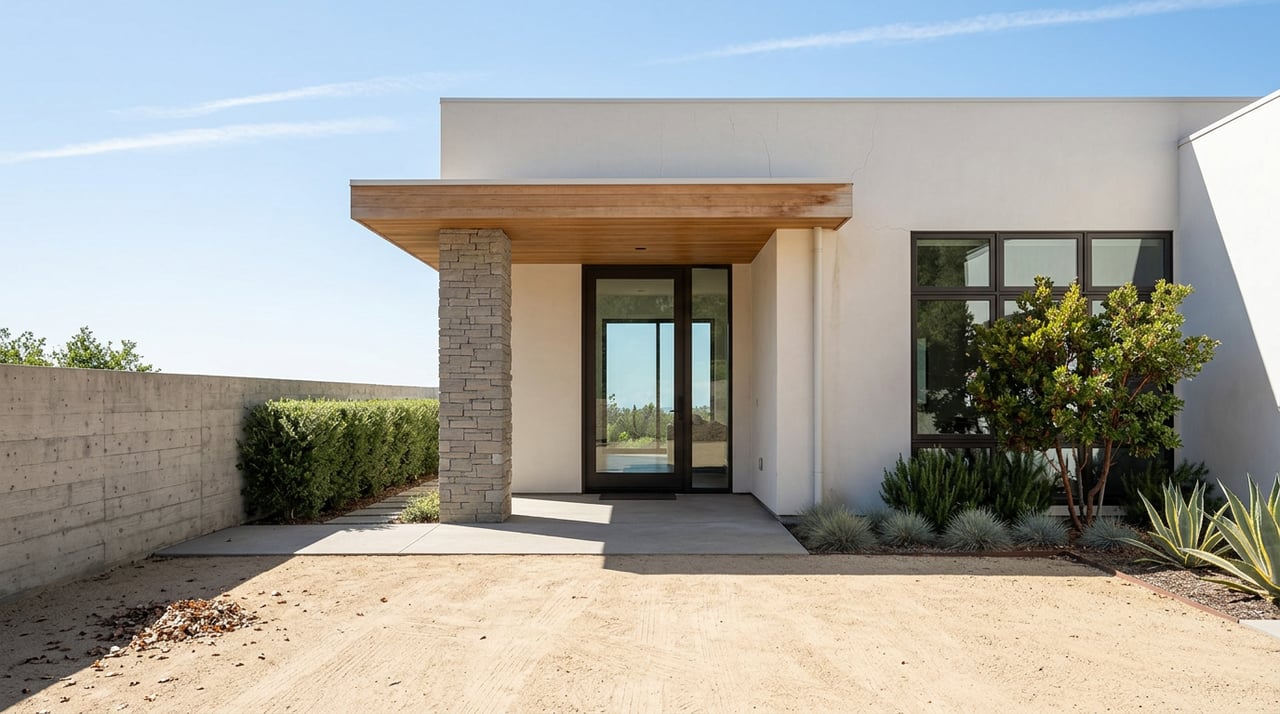
Curb appeal and front entry
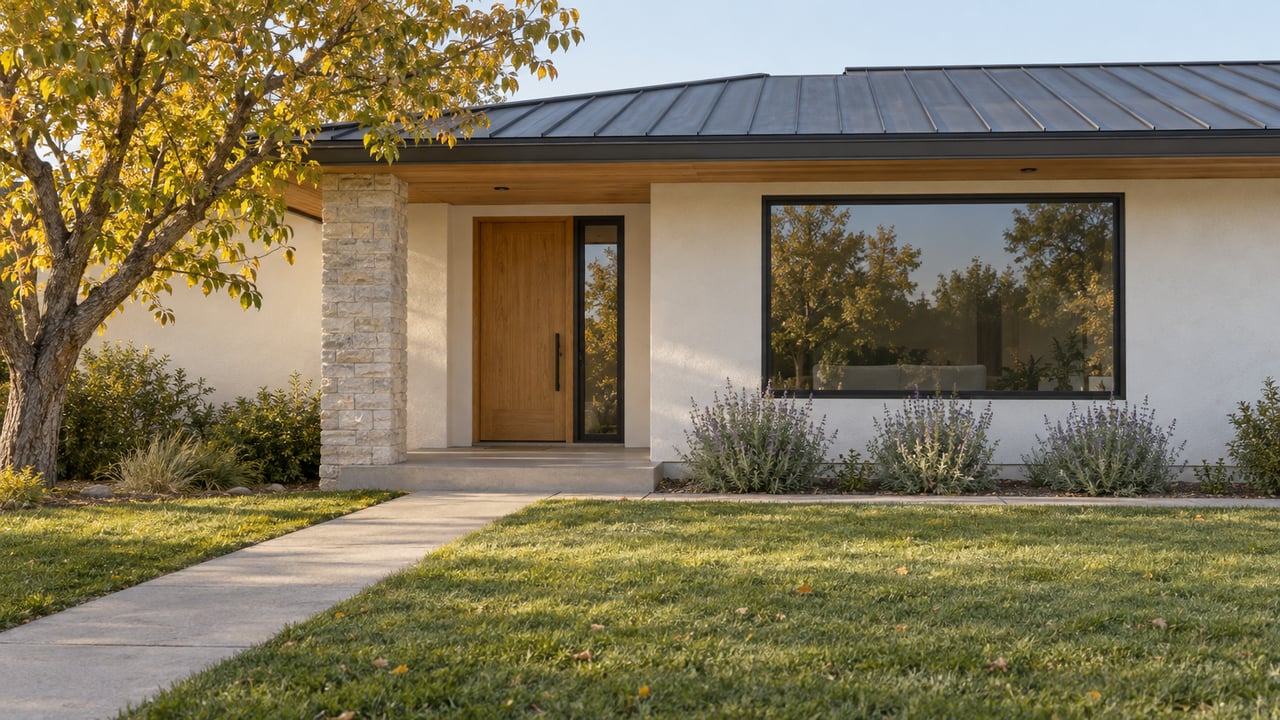
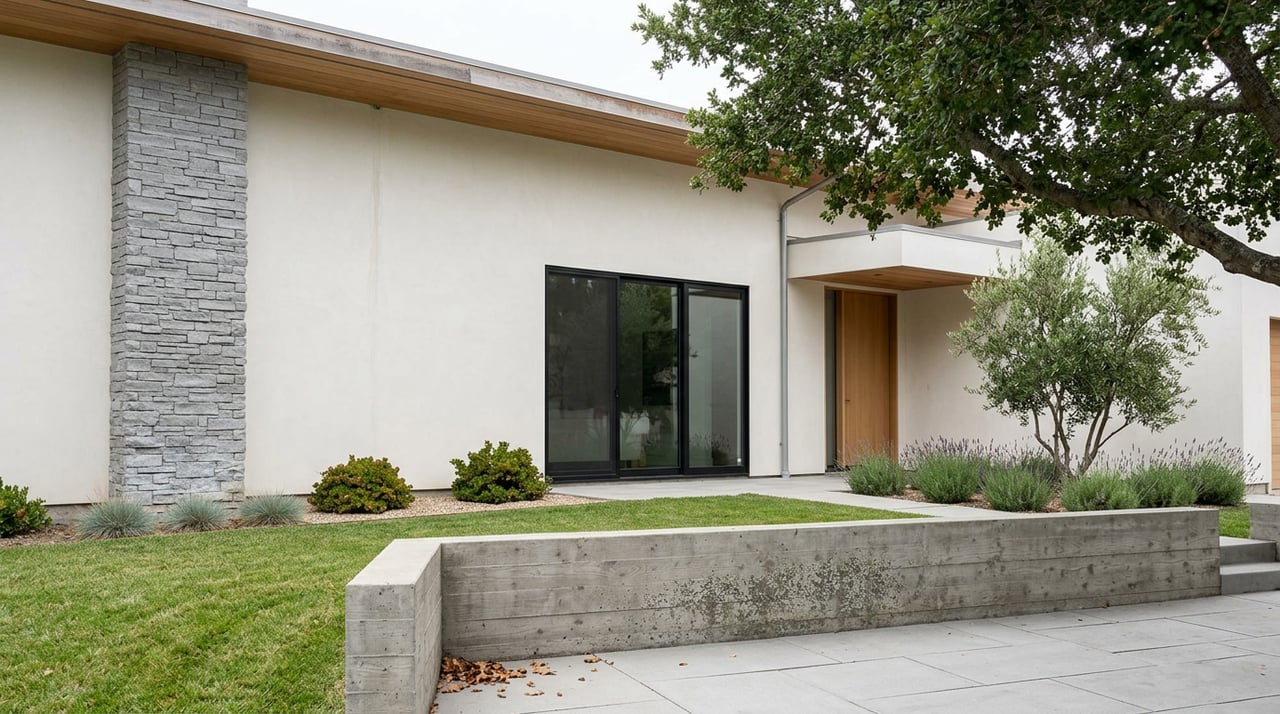
- Clear a clean line of sight to the front door. Tidy hedges, mow, edge, and remove debris.
- Power‑wash siding, porch, and driveway. Clean gutters or hire a pro.
- Refresh the front door with paint or new hardware. Update house numbers and verify the porch light works with a warm LED.
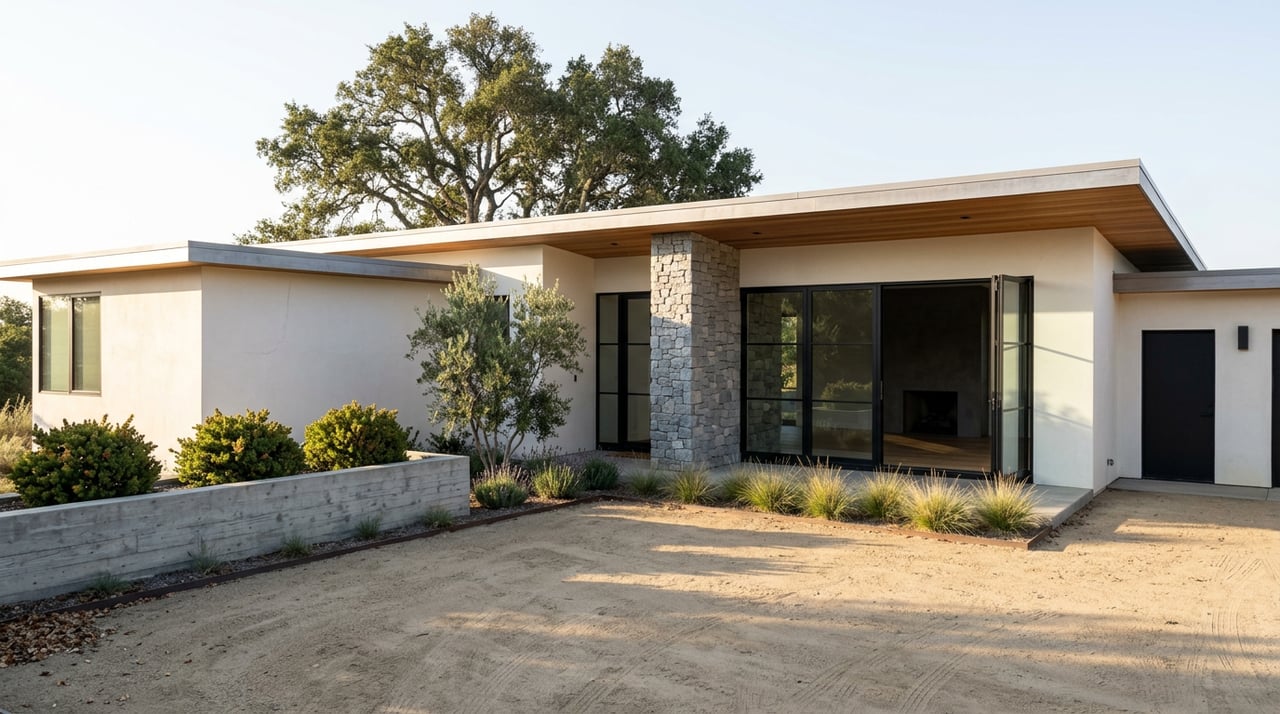
- In wildfire‑exposed areas, use noncombustible materials like gravel within the first 5 feet of the home and avoid flammable mulches near the foundation. Follow the local defensible‑space guidance.
Entry and foyer
- Remove shoes, coats, and daily clutter. Add a slim console or mirror for scale.
- Replace dim bulbs with bright, neutral LEDs. Clean switch plates.
Living and family rooms
- Declutter and depersonalize. Remove personal photos and pack excess furniture so rooms feel spacious.
- Patch nail holes, touch up paint in light, neutral tones, and repair baseboards.
- Hide cords, simplify décor, and open window coverings for daylight.
- Staged rooms help buyers visualize how they would live in the space. NAR notes that photos and visual presentation are among the most useful listing features for buyers. See their discussion of marketing trends on the NAR Culture Scan blog.
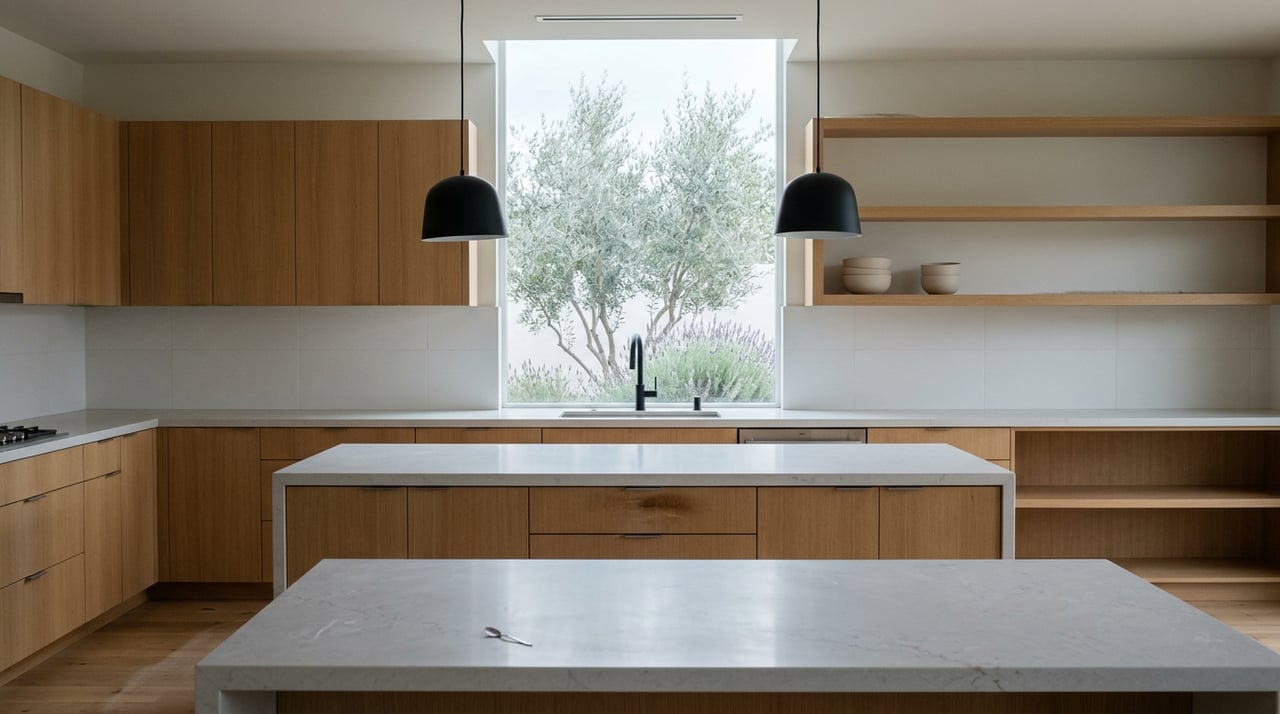
Kitchen
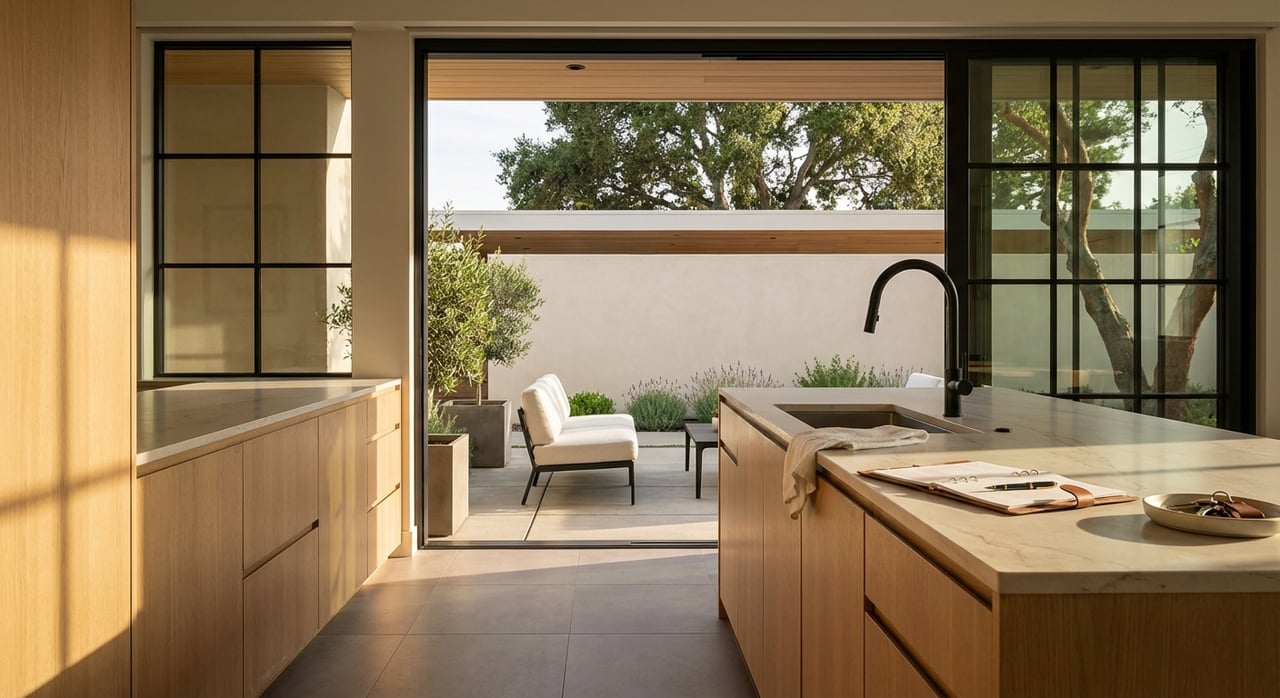
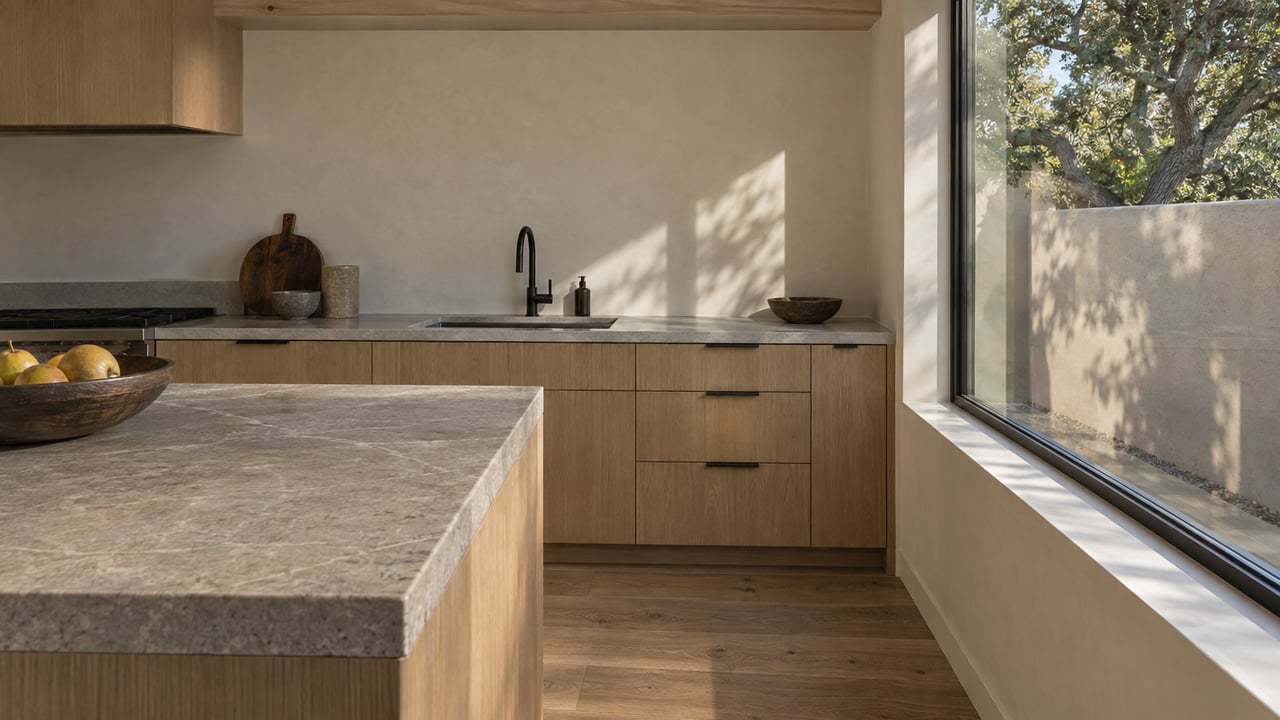
- Tier 1. Clear countertops, deep clean appliances, recaulk the sink, fix leaks, replace worn cabinet hardware, and update a dated light fixture. Keep counters almost bare for photos.
- Tier 2. If time allows, consider painting cabinet faces, updating the faucet, replacing very worn counters, and refreshing grout. Keep finishes simple and broadly appealing.
- Permit note. Moving plumbing, adding electrical circuits, or structural changes typically require City review. Check Petaluma’s permit requirements before you start.
Bathrooms
- Deep clean, regrout tile, and recaulk tubs and showers. Replace stained shower curtains and torn seals.
- Update hardware and faucets with affordable, modern options. Add fresh towels and a simple plant.
- Address any signs of moisture first and be prepared to disclose known issues on the TDS.
Primary and secondary bedrooms
- Remove extra furniture to show floor space. Make beds with neutral linens and simple pillows.
- Declutter closets to highlight storage capacity.
- Replace heavy drapes with lighter options to brighten photos.
Garage and storage areas
- Clear the floor and organize shelves to make storage feel abundant.
- Check for moisture, pests, or structural concerns. Resolve items where practical and disclose known issues properly.
Systems and safety essentials
- Test smoke and CO alarms and replace batteries. Install GFCI outlets in kitchens and baths where needed.
- Service HVAC and water heater. Label shut‑offs and collect maintenance records.
- If you discover old knob‑and‑tube wiring, galvanized piping, or unpermitted work, discuss options with your agent. Disclosure is required under the TDS rules, and clean documentation can prevent renegotiation.
Backyard and outdoor living
- Clean patios, set a small seating vignette, and trim hedges for a tidy, usable feel.
- Avoid overspending on elaborate landscaping right before listing. Focus on clean, safe, and functional.
- In wildfire‑risk areas, stage with noncombustible hardscape near the home and keep vegetation maintained per local defensible‑space guidance.
Staging, photos, and marketing assets
Great photos and simple staging can pay off. Buyers often start online, and images shape whether they book a showing. NAR highlights that photos and visual content are among the most useful listing features for buyers; review their perspective on marketing in the NAR Culture Scan blog.
What to prioritize:
- Professional photography. Schedule photos after cleaning, touch‑ups, and staging. Request bright, evenly lit HDR images and a few golden‑hour exteriors if possible.
- Targeted staging. If budget is limited, focus on the living room, kitchen, and primary bedroom first. Those rooms drive buyer interest.
- 3D tour for reach. If your home will attract out‑of‑area buyers, a 3D scan can help. Get local quotes and choose features based on your price point and goals.
Tip: Coordinate with your agent on the photo shot list, including key outdoor spaces and any unique features. Open blinds, turn on all lights, and remove clutter like countertop appliances, shower items, and pet bowls.
Your 3–12 month prep timeline
Tailor this plan to your goals and the season. If possible, time the final clean, staging, and photography to align with stronger local demand in spring.
Listing in about 3 months
- Weeks 12–9: Consult your agent, map the scope, and focus on Tier 1 tasks. If any work might need permits, review the City’s permit requirements. Order any critical repairs that could affect the sale.
- Weeks 8–5: Complete painting and minor repairs. Refresh the front door, lighting, and yard. Book an occupied-staging consult if it fits your budget.
- Weeks 4–2: Deep clean. Finalize staging. Compile your disclosure documents including TDS and NHD materials; see the TDS rules and NHD overview.
- Weeks 1–0: Professional photos, final tweaks, and list on your target day.
Listing in 6–12 months
- Months 12–9: Evaluate Tier 2 updates like a light kitchen refresh or floor refinishing. Start permits early if you plan any structural, electrical, or plumbing work with the Building Division.
- Months 9–6: Complete projects and collect signed permits and receipts. If desired, consider a pre‑listing inspection to surface issues sooner.
- Months 6–2: Finalize the staging plan, declutter, and improve curb appeal while respecting defensible space.
- Final 4–2 weeks: Deep clean, stage, and schedule photography to capture your home in its best light.
Documents to gather before you list
- Receipts, contractor contacts, and permit numbers for all work during your ownership, especially if you are reselling within 18 months of purchase under AB 968.
- Prior inspections, termite or pest reports, roof warranties, appliance manuals, and any transferable warranties.
- HOA documents (if applicable), 12 months of utility bills, and property tax info.
- NHD report and the EPA lead pamphlet with signed disclosure for pre‑1978 homes; see the EPA lead guidance.
Common buyer objections to address early
- Deferred maintenance. Peeling paint, roof stains, and moisture marks invite negotiation. Fix or disclose.
- Unpermitted work. Either resolve permitting or disclose clearly under the TDS rules and price accordingly.
- Wildfire risk. Document defensible‑space measures and avoid adding combustible materials near the home. Reference the City’s FHSZ maps and county defensible‑space tips.
Preparing well does not mean over-improving. Start with fast, visible wins that remove objections and photograph beautifully. Match any larger updates to local comps and your timing, and plan ahead for City permits so you do not run into delays.
If you want a custom checklist for your property, vendor referrals, and hands-on project management, reach out to schedule a free consult with Brianna Benz. You will get a clear plan, trusted local resources, and a smoother sale.
FAQs
What should I fix before listing my Petaluma home?
- Focus on Tier 1 items first: safety issues, small repairs, neutral paint, lighting, decluttering, curb appeal, and a deep clean. Tackle larger updates only if time and budget allow.
Do I need a permit for my pre-sale updates in Petaluma?
- Cosmetic work usually does not, but structural, electrical, plumbing, roofing, decks, and footprint changes often do. Check the City’s permit requirements before starting.
What disclosures are required when I sell in California?
- Most sellers must provide the Transfer Disclosure Statement and a Natural Hazard Disclosure. Review the TDS rules and NHD overview, and deliver them early.
I renovated and plan to sell within 18 months. What should I prepare?
- Under AB 968, have contractor names, invoices, and permits ready. See the AB 968 summary and talk with your agent about how to present the work.
How do wildfire rules affect curb appeal and staging?
- In higher Fire Hazard Severity Zones, keep a low‑fuel buffer within 5 feet of structures, maintain vegetation, and use noncombustible materials near the home. Check Petaluma’s FHSZ maps.
What rooms are most important to stage for buyers?
- Prioritize the living room, kitchen, and primary bedroom. These spaces drive first impressions online and during showings, so keep them bright, neutral, and clutter‑free.