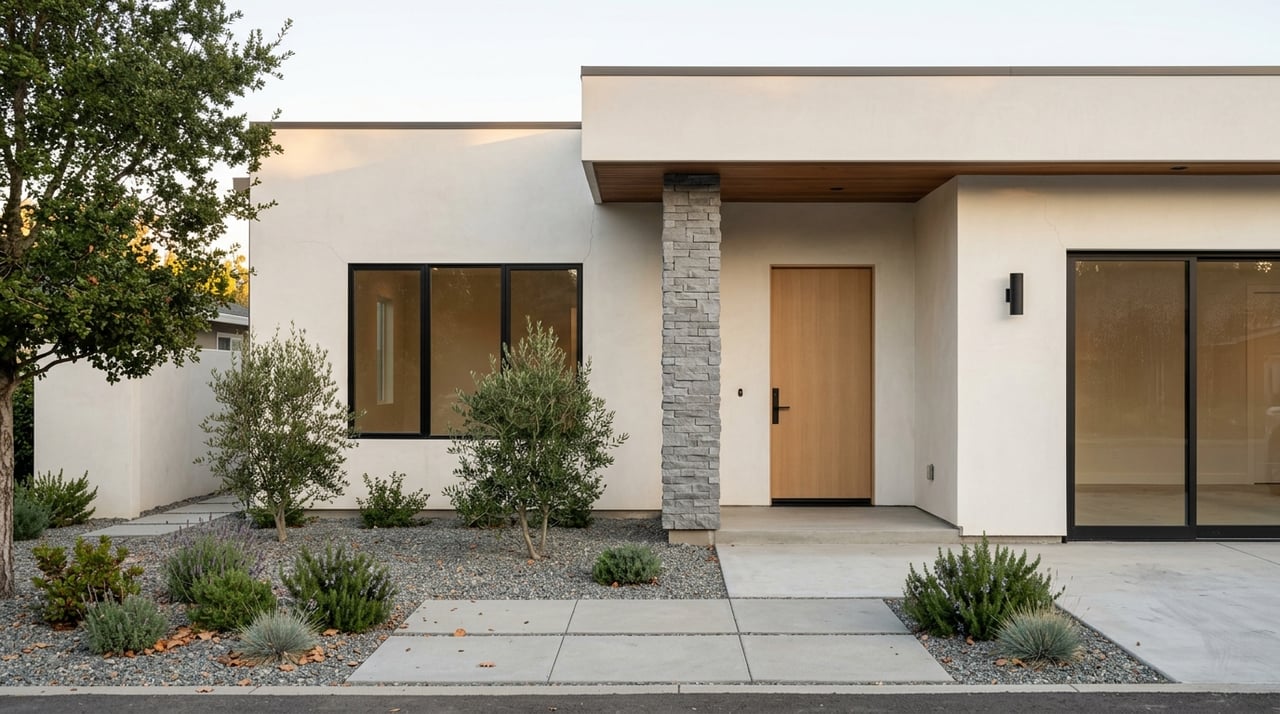
East vs West Santa Rosa Homes: Finding Your Best Fit
June 4, 2026
June 4, 2026
Choosing between East and West Santa Rosa can feel simple at first, but it usually is not. Each side includes very different pockets, housing styles, and day-to-day routines. If you are trying to decide where to focus your home search, it helps to look past the compass and think about how you want to live. Let’s dive in.
Santa Rosa treats East Santa Rosa and West Santa Rosa as broad geographic areas, not single official neighborhoods. That matters because one part of the east side can feel very different from another, and the same is true on the west side.
In practical terms, East Santa Rosa often feels more suburban or foothill-adjacent, with a wider mix of ranch homes, subdivision patterns, and newer open-space-oriented development. West Santa Rosa often feels more compact, with older housing near the historic core, stronger downtown access, and close ties to Railroad Square and the transit hub.
If you are comparing the two, the best approach is to narrow your search to specific micro-neighborhoods. That gives you a more accurate picture of home style, lot layout, park access, and errands.
One of the biggest differences between East and West Santa Rosa is how the homes and streetscape feel. Even before you compare price points or square footage, you may notice a clear difference in age, density, and layout.
West Santa Rosa includes some of the city’s oldest and most compact housing fabric. In the West End, the city describes a neighborhood with homes dating from the 1880s through the 1940s, including bungalows and Queen Anne cottages.
That older pattern creates a more historic, close-in feel. Streets can feel tighter, and homes may sit closer to downtown activity, Railroad Square, and transit.
West Santa Rosa also includes areas that do not fit the historic pattern exactly. Coffey Park, for example, is identified separately by the city and includes multiple subdivisions, which points to a more tract-style suburban layout outside the historic core.
East Santa Rosa tends to be more varied. Some east-side areas include mid-century ranch homes, like Edgewood Farms, which was developed in the early 1950s.
Other east-side areas reflect lower-rise, more open-space-oriented planning. City proposals in southeast Santa Rosa include a mix of single-family homes, cottage homes, multifamily apartments, and significant open space, while the Meadow at Rincon Valley proposal shows detached single-family parcels on roughly 6 acres.
For you as a buyer, that means the east side may offer a more spread-out feel in some areas, but the exact experience depends on the neighborhood. One street can feel very different from another.
Your daily routine matters just as much as the house itself. Where you shop, grab coffee, meet friends, or connect to transit can shape how a neighborhood feels over time.
East-side shopping and services cluster around places like Montgomery Village, Mayette, Bennett Valley and Annadel, Saint Francis Shopping Center, Farmers Lane Plaza, and Santa Rosa Avenue retail. If you want several east-side errand stops within a short drive, these hubs are worth watching during your search.
CityBus also connects parts of the east side to downtown. Route 18 links the downtown Transit Mall with Bennett Valley Road, Farmers Lane Plaza, Montgomery Village, and the Mayette area.
West and southwest Santa Rosa errands often center around Downtown, Railroad Square, Coddingtown, Marlow, Fulton Marketplace, Roseland, and Stony Point. If you like being closer to Santa Rosa’s main civic and commercial core, the west side may feel more convenient.
Downtown is the city’s main center for retail, dining, entertainment, culture, services, finance, and government. Courthouse Square, Railroad Square, and Santa Rosa Plaza all add to that central, connected feel.
If outdoor access is high on your list, this is one of the clearest contrasts between east and west Santa Rosa.
East Santa Rosa has the stronger signature recreation landscape. Howarth Park covers 138 acres and includes trails, tennis, softball, playgrounds, fishing, and open space.
Many of Howarth Park’s trails connect to Spring Lake Regional Park and Annadel State Park. Spring Lake features nearly 10 miles of trails, along with boating, camping, picnic areas, and a seasonal lagoon, while Trione-Annadel State Park is known for miles of hiking, mountain biking, and trail riding.
The Southeast Greenway adds another useful connection on the east side. The city describes it as a 1.9-mile linear stretch linking Farmers Lane and Highway 12 to Spring Lake Regional Park.
West Santa Rosa has parks too, but the pattern is generally more neighborhood-scale. Examples include Coffey Park, DeMeo Park, DeTurk Park, and Westgate Park.
For some buyers, that is a plus. A smaller nearby park may matter more than being close to a larger regional destination. Still, if your ideal weekend includes longer trail systems and major open-space amenities, the east side has a stronger concentration of those features.
If you want easy access to downtown Santa Rosa, the west side often stands out. Historic west-side areas have a close relationship to Railroad Square, rail transportation, and the central transit network.
The Stewart Cannery at Railroad Square reflects that urban pattern. It is a 128-unit, six-story project on 5.4 acres next to the SMART commuter train and within walking distance of shopping and restaurants.
That does not mean east-side buyers are cut off from central Santa Rosa. It simply means the west side often gives you a more direct connection to downtown walkability, the rail corridor, and the city’s timed-transfer bus hub.
The right answer depends less on which side is “better” and more on which side supports your routines. A smart home search starts with your everyday priorities.
This is the most important takeaway for buyers comparing East and West Santa Rosa. These are broad planning labels, not precise neighborhood definitions.
For example, West End and Coffey Park offer very different living experiences, even though both sit on the west side. On the east side, a mid-century ranch pocket can feel very different from an area closer to larger parks or newer development patterns.
That is why broad labels should only be a starting point. Once you know what matters most to you, it becomes much easier to compare specific neighborhoods block by block.
If you are touring homes on both sides of Santa Rosa, use a short checklist so each visit gives you useful information.
A side-by-side approach helps you avoid making a decision based on one pretty street or one open house. It keeps your search focused on long-term fit.
If you want help narrowing down the right Santa Rosa neighborhoods for your goals, Brianna Benz offers thoughtful, hands-on guidance rooted in local knowledge and clear communication.
Get assistance in determining current property value, crafting a competitive offer, writing and negotiating a contract, and much more. Contact Brianna today to discuss all your real estate needs!