Staging A Sonoma Wine Country Home To Shine
July 9, 2026
July 9, 2026
Want your Sonoma home to feel unforgettable the moment buyers scroll past the first photo? In wine country, staging is not just about making a house look tidy. It is about helping buyers picture an easy, beautiful lifestyle that fits the setting. When you stage with Sonoma’s indoor-outdoor rhythm, natural light, and relaxed warmth in mind, you can make your home feel more inviting online and in person. Let’s dive in.
In Sonoma, buyers are often responding to more than square footage. They are noticing the flow between the kitchen and patio, the way the light moves through the living room, and whether a deck or garden feels ready to enjoy. Sonoma Valley is known for vistas, wine tasting, farm-fresh dining, history, art, shopping, and outdoor recreation, so your home presentation should reflect that broader lifestyle.
That does not mean filling your home with grape-themed décor or trying too hard. A better approach is subtle wine-country warmth with broad appeal. Think clean lines, comfortable seating, soft natural textures, and open sightlines that help buyers focus on the home itself.
If you are deciding where to spend your time and budget, start with the spaces that carry the most weight. According to NAR’s 2025 Profile of Home Staging, buyers’ agents ranked the living room first for staging importance at 37%, followed by the primary bedroom at 34% and the kitchen at 23%.
Sellers’ agents stage these rooms most often too. In that same survey, 91% staged the living room, 83% staged the primary bedroom, 69% staged the dining room, and 68% staged the kitchen. That is a strong signal that you do not need to stage every room before you list.
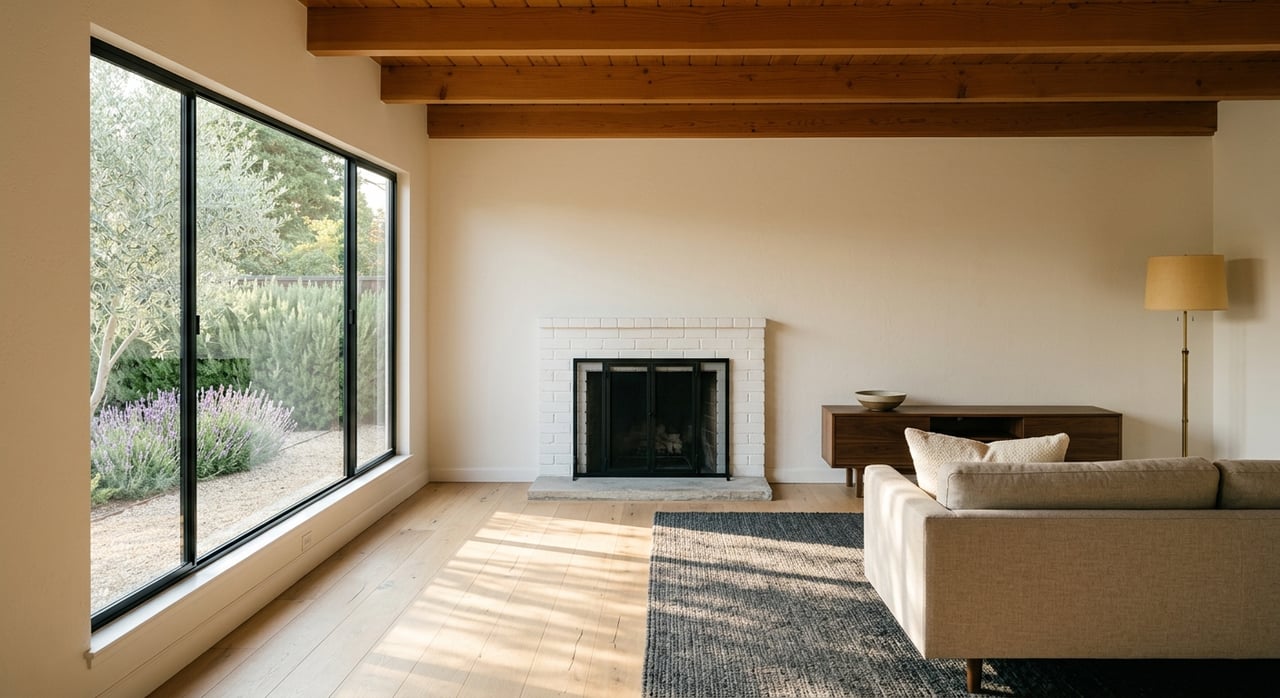
Your living room often sets the tone for the whole showing. Keep furniture scaled to the room, create an easy conversation area, and remove anything that interrupts flow. If the room connects to outdoor space or frames a view, arrange furniture to support that feature instead of blocking it.
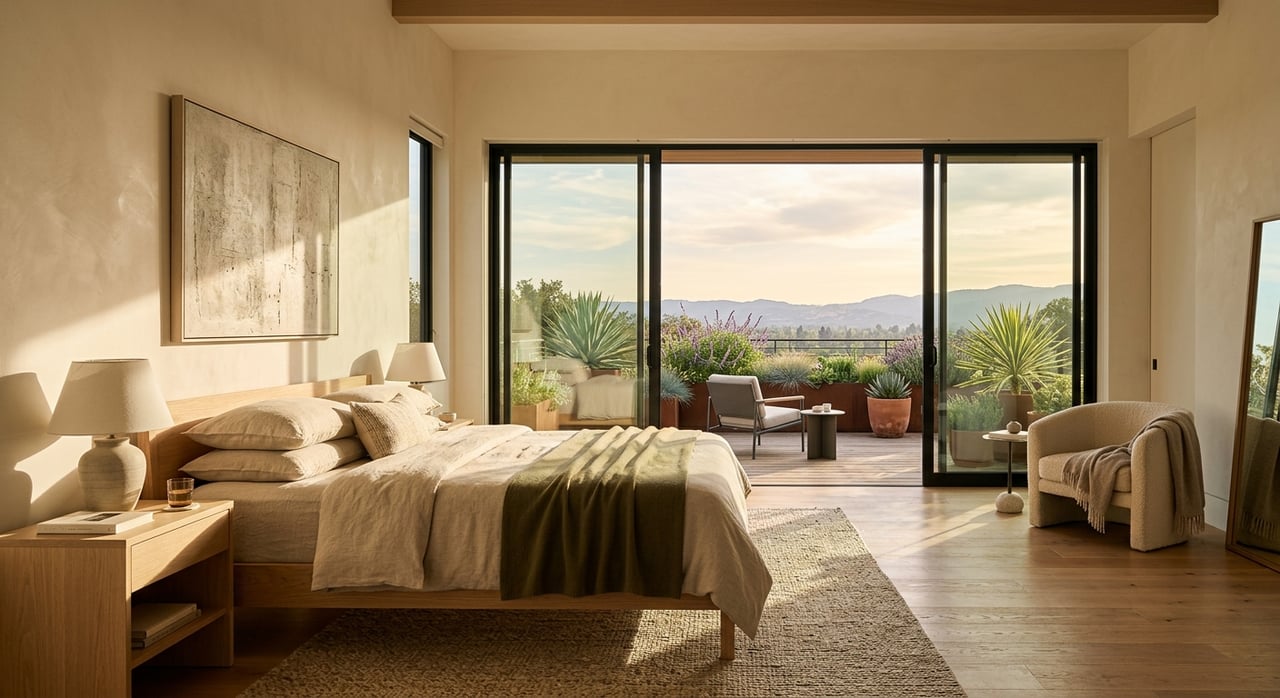
The primary bedroom should feel restful, simple, and spacious. Use neutral bedding, clear nightstands, and limited décor. Buyers should be able to walk in and quickly understand the room’s size and purpose.
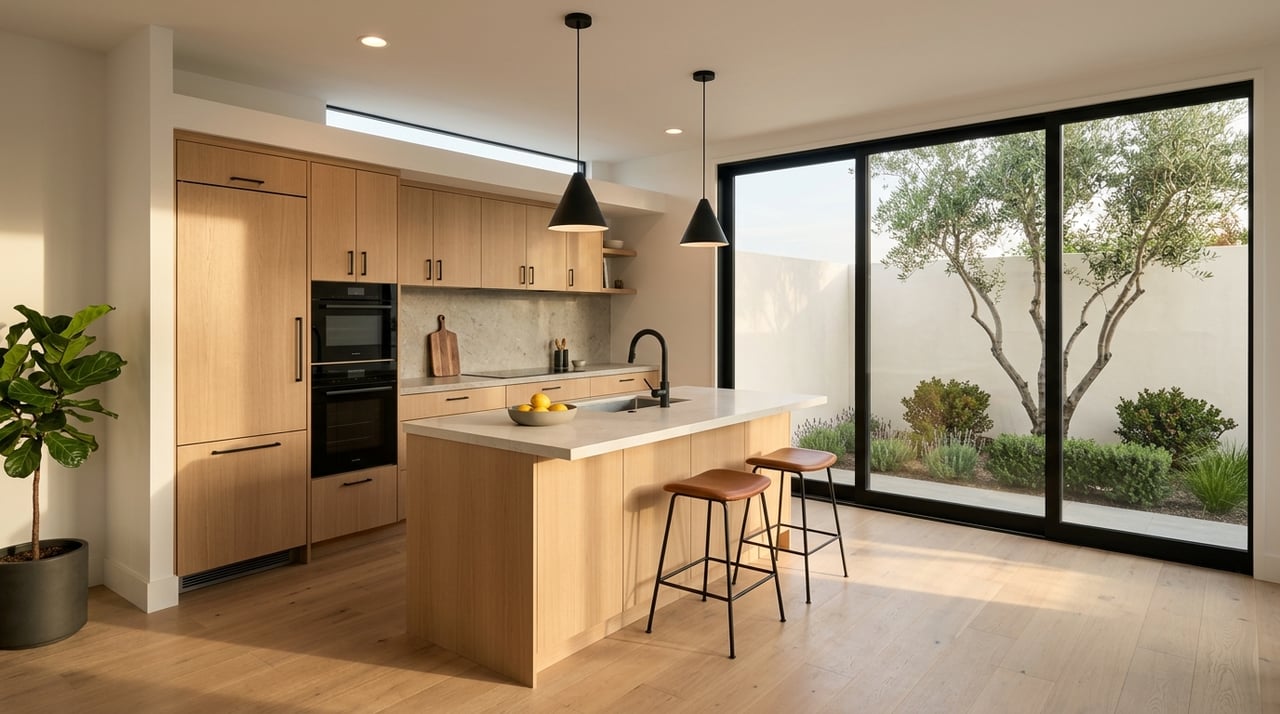
You do not need a remodel to make a kitchen show better. Staging at its core is about cleaning, decluttering, repairing, depersonalizing, and updating. Clear counters, remove magnets and visual clutter, and let the kitchen feel bright, functional, and easy to maintain.
In Sonoma homes, the dining area often connects the kitchen, living space, and outdoor entertaining areas. A simple table setting can help define the room without making it feel crowded. The goal is to suggest easy gathering, not formal perfection.
The strongest Sonoma listings feel cohesive. Instead of staging each room in isolation, think about the story your home tells from the front door to the backyard. Buyers should be able to imagine morning coffee, casual dinners, and a relaxed weekend at home.
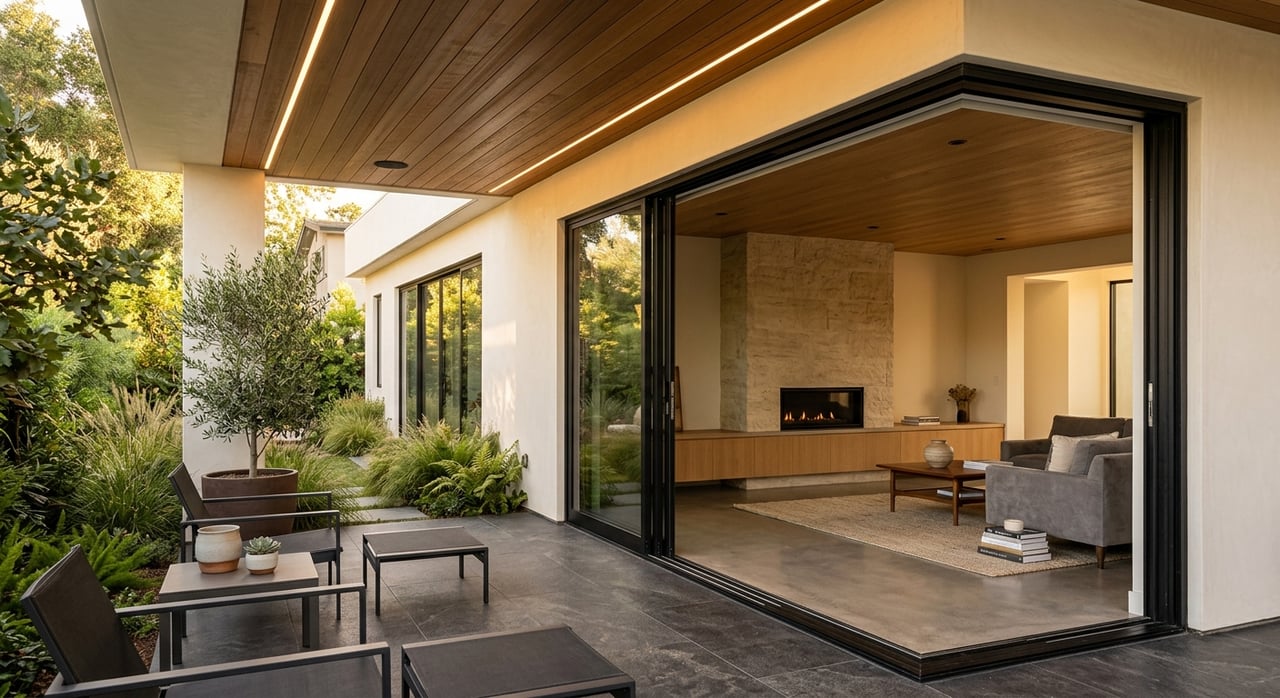
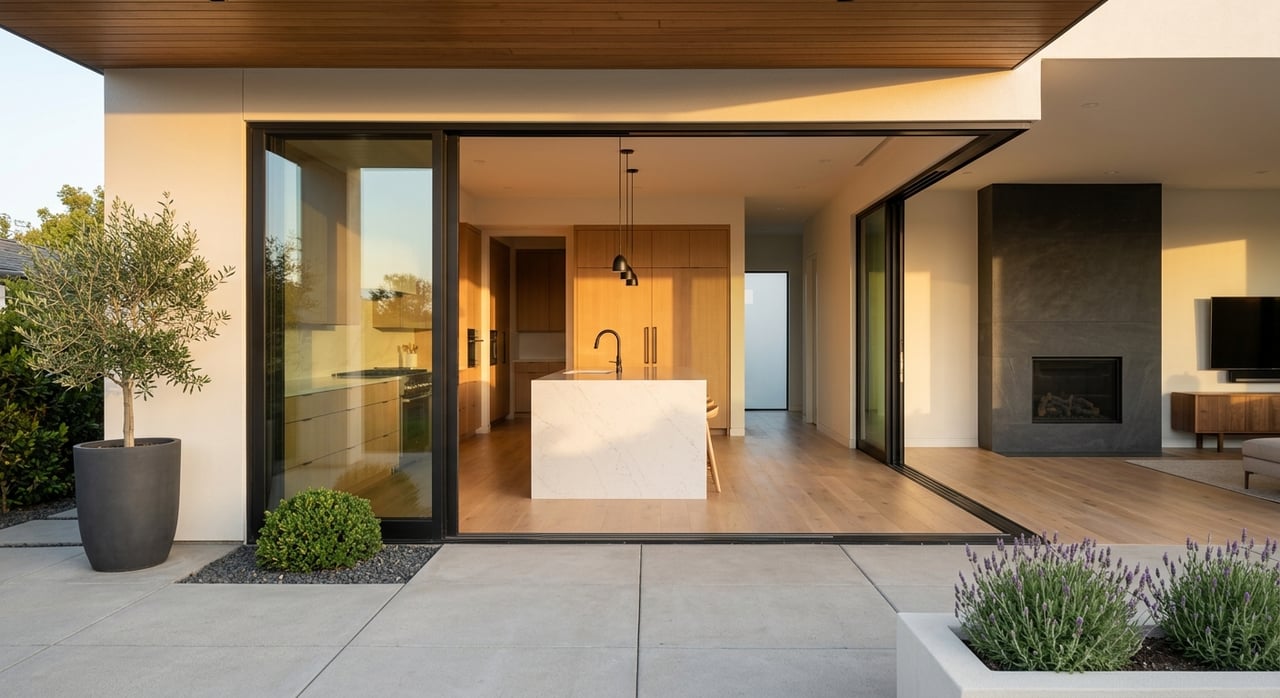
That is especially important near Sonoma Plaza or in the surrounding countryside, where hospitality and indoor-outdoor living are part of the area’s identity. If your home has French doors, sliders, a porch, or a deck, make those transitions feel intentional and easy.
A wine-country look works best when it feels natural and understated. Warm whites, soft stone tones, wood textures, and simple greenery usually create broader appeal than obvious themed accessories. You want buyers to notice the home’s setting, not a decorating concept.
If your home has views of hills, vines, open space, or a garden, make those sightlines a priority. Pull back heavy furniture, simplify window areas, and avoid over-styling outdoor zones. In Sonoma, a view corridor can be part of the value story.
In Sonoma, patios, decks, porches, and garden seating are not extras. They are part of how buyers measure the home. Sonoma Valley tourism highlights terraces, wetlands views, shaded patios, and outdoor dining throughout the region, so your exterior spaces should look usable and inviting.
A good rule is to give each outdoor area a clear purpose. A small bistro set can suggest a coffee spot. A dining table can frame a patio as a place for meals. A pair of chairs facing a view can help buyers understand where they would naturally unwind.
Because Sonoma Valley microclimates can shift from cool wind and fog to hot sunshine, outdoor staging should show comfort and flexibility. Shade, seating, and open walking paths help buyers see the space as practical as well as attractive. Even a simple setup can make a patio or deck feel more livable.
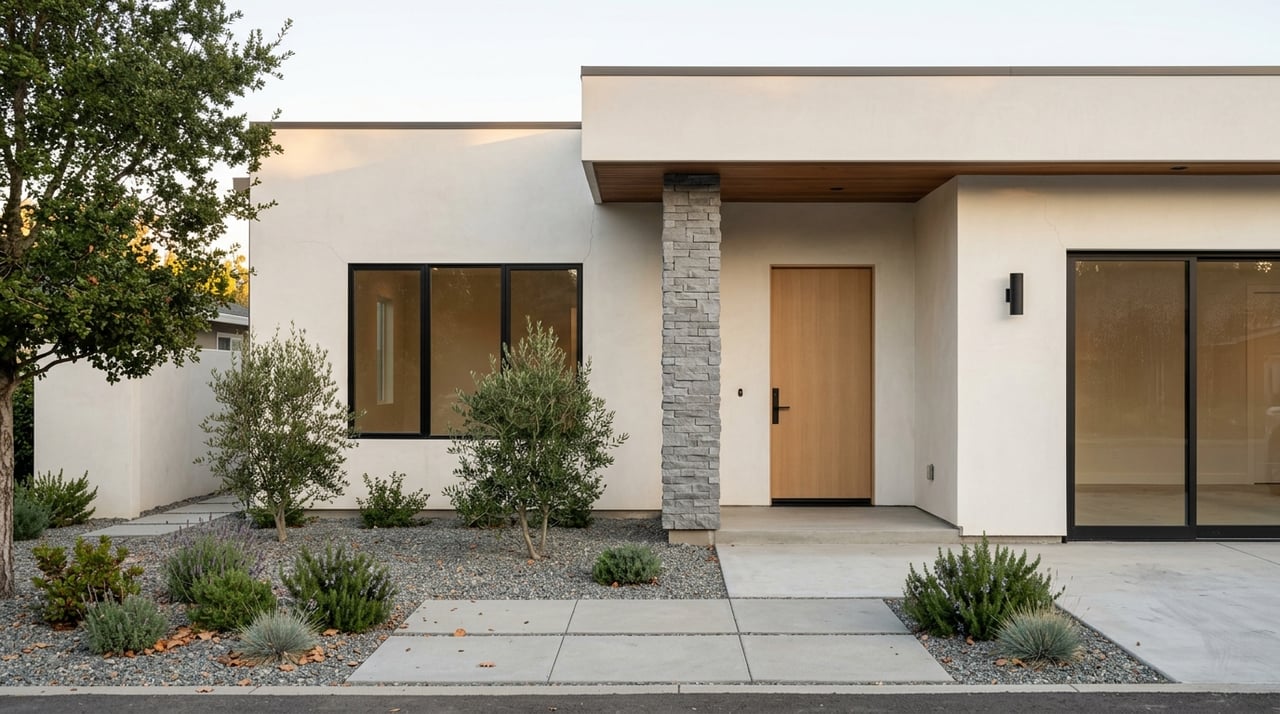
If you plan a landscape refresh before listing, aim for a clean and water-conscious look. The California Department of Water Resources recommends water-efficient plants, mulch, and efficient irrigation, and notes that about 40% of the water Californians use at home is used outdoors. If you are making permanent landscape changes, check local rules first.
For rural or hillside properties, outdoor staging should also respect wildfire safety. CAL FIRE says the first five feet from the home is the most important area for defensible space, and 100 feet of defensible space is required by law. If your property is in a high or very high fire hazard severity zone, a compliant defensible space inspection is required during a sale.
That matters for staging choices too. Outdoor furniture, planters, firewood, and other combustible items should not crowd decks or sit too close to the home when local clearance rules apply.
Most buyers will meet your home online before they ever step inside. That is why staging and photography should work together, not as separate tasks. NAR says high-resolution photos and video are now essential because the majority of buyers shop online first.
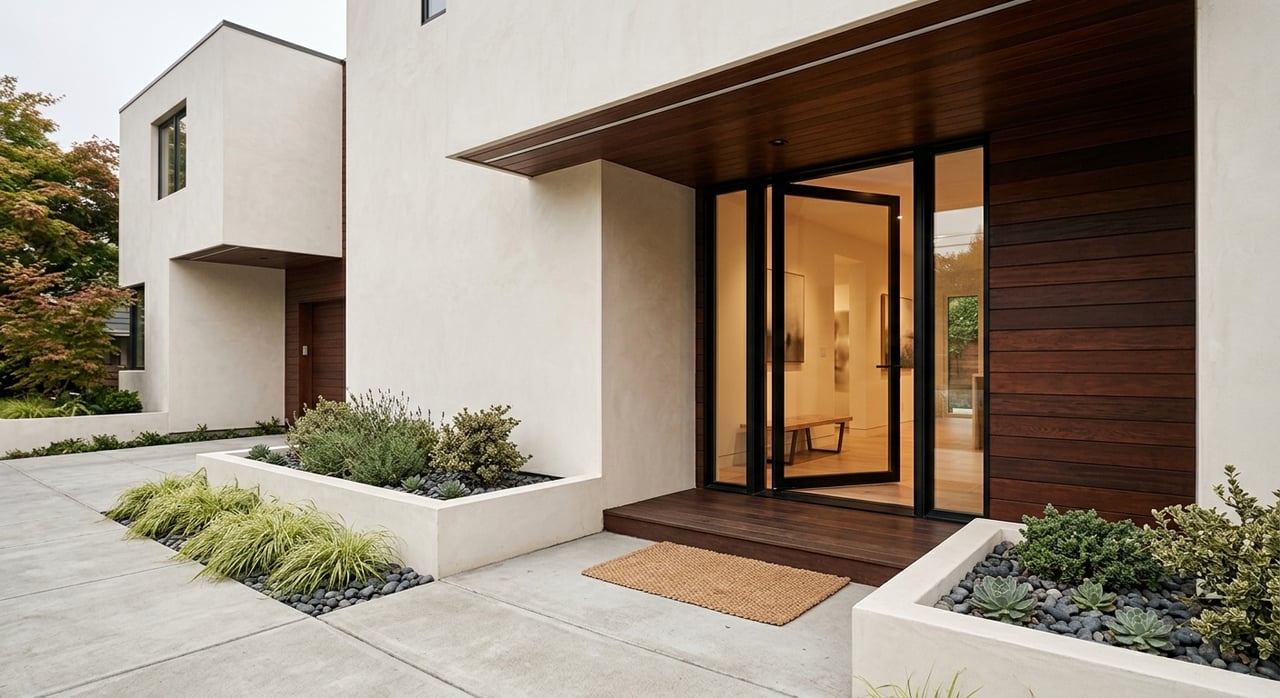
The best listing photos usually happen after staging, cleaning, and landscaping are complete. That way, the online presentation matches what buyers will see in person. In a place like Sonoma, exterior photos should do more than document the yard. They should show how the property lives.
Before professional photos, focus on simple edits that make a big difference on screen:
It can also help to take a few practice photos with your phone before shoot day. Pictures often reveal crowded corners or distracting objects you may stop noticing in everyday life.
Not every home needs full-service staging, but many sellers benefit from early guidance. NAR notes that staging should be treated as a priority alongside cleaning and photography, not as an afterthought. A stager’s job is to remove friction, create broad appeal, and help buyers understand scale and use.
For vacant homes, this can be especially helpful. Empty rooms often feel smaller and less inviting than furnished ones. Even a modest setup with a few furniture pieces, plants, pillows, and tabletop accents can make the home feel easier to understand.
If you hire a staging service, know that rental furnishings are a normal part of the process. Stagers manage inventory, storage, transportation, and labor, which affects pricing. In NAR’s 2025 survey, sellers’ agents typically reviewed a median of two bids before choosing a staging company, and the median amount spent when using a staging service was $1,500.
That number can help you frame the decision. For many Sonoma sellers, a thoughtful round of cleaning, editing, repairs, and selective staging can do more for presentation than a larger pre-list remodel.
Virtual staging can help if a room is empty or you need a faster, lower-cost option for marketing photos. It can be useful for helping buyers understand layout online. Still, physical staging usually carries more weight once buyers tour the property in person.
If you want a simple path forward, use this order of operations before you list:
Staging is not about pretending your home is something it is not. It is about helping buyers see what is already there at its best. NAR reported that 83% of buyers’ agents said staging makes it easier for buyers to visualize a property as their future home, 29% of agents saw staged homes receive offers that were 1% to 10% higher, and 49% saw staging reduce time on market.
For Sonoma sellers, that makes thoughtful preparation one of the clearest ways to support a stronger launch. When your home feels bright, edited, and connected to the wine-country lifestyle buyers are looking for, you give your listing a better chance to stand out.
If you are getting ready to sell in Sonoma and want practical guidance on staging, prep, and presentation, Brianna Benz can help you build a clear plan that fits your home and timeline.
Get assistance in determining current property value, crafting a competitive offer, writing and negotiating a contract, and much more. Contact Brianna today to discuss all your real estate needs!